


Exploring the Creative Process Behind Unique Artworks
- Riptide
- Jul 21, 2025
- 3 min read
Art is a window into the soul of its creator. It invites viewers on a journey through thoughts, feelings, and unique perspectives. Understanding the creative process behind unique artworks can deepen our appreciation for the final product. This blog post delves into the various stages of the creative process, offering insights and strategies for artists of all levels.
The Creative Process
The creative process can be complex and varies from artist to artist. It typically involves several key stages: inspiration, ideation, creation, and revision. Each stage holds its own significance and presents unique challenges.
Inspiration: This is often where it all begins. Artists draw ideas from a variety of sources, including nature, emotions, personal experiences, and even mundane surroundings. By observing the world around them, they find glimpses of beauty and originality. For example, a painter might see a fleeting sunset and feel compelled to capture that moment in their art.
Ideation: Once inspired, the next step is to brainstorm and develop ideas. This can involve sketching, journaling, or mind mapping. Artists often explore different concepts and techniques during this stage. For instance, a sculptor may spend hours sketching human figures in various poses before deciding on a composition for their clay model. In fact, a study published in the Journal of Creative Behavior found that artists who engage in extensive brainstorming are likely to produce more innovative work.
Creation: This is where the magic happens. Artists begin to translate their ideas into tangible forms. Whether it’s painting on canvas, chiseling stone, or composing music, this stage requires both skill and emotion. Each brushstroke or chisel's tap is a step closer to the artwork's completion. An eye-level view of an artist working on an abstract painting can convey the intensity and focus involved.
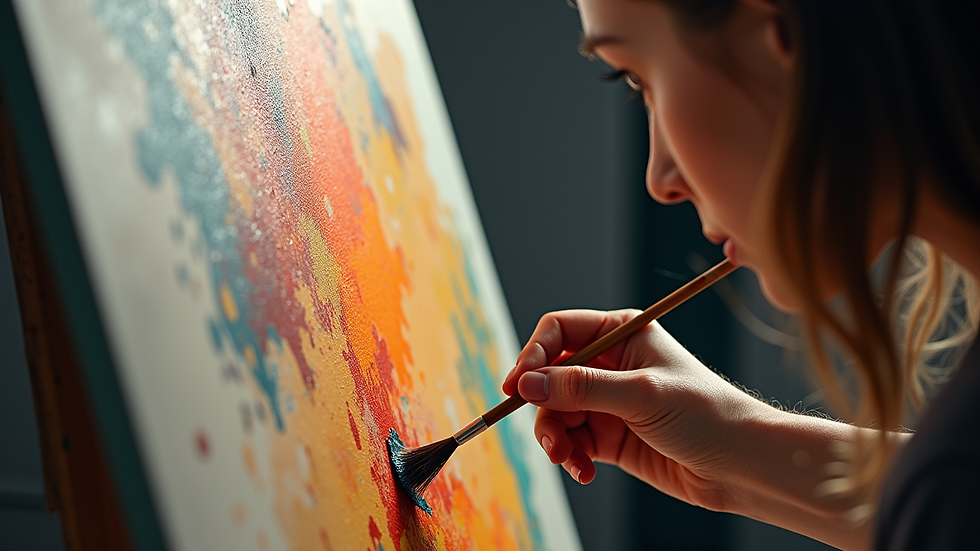
An artist immersed in their creative process. Revision: The first draft is rarely the final piece. The revision stage is an essential part of the creative process. Artists critically review their work, seeking areas for improvement. This might involve adjusting colors, refining details, or even starting over entirely.
The Role of Experimentation in Creativity
Experimentation plays a vital role in the creative process. It allows artists to step outside their comfort zones and explore new styles and techniques.
Consider an artist who typically works with oil paints but decides to experiment with watercolors for a change of pace. This shift might yield unexpected results that inspire a unique direction in their work. A high-angle view of a vibrant, colorful palette can signify this spirit of discovery.

Encouraging creativity through experimentation means allowing yourself to fail and learn from those failures. Artists can keep a "failure journal" where they document unsuccessful experiments. This way, they identify patterns and understand what went wrong.
Balancing Technique and Emotion
While technique is crucial in creating unique artworks, the emotional aspect plays an equally important role. An artist's emotion can ultimately resonate with viewers, evoking feelings that words often can't express.
For example, Jackson Pollock's abstract expressionist works are marked by his personal experiences and emotions, making them both captivating and relatable. Even today, discussions about his art often revolve around the emotions they conjure rather than purely technical assessments.
An essential piece of advice for emerging artists is to prioritize emotional honesty in their work. Experiment with conveying raw feelings through color choices, compositions, and textures. This approach can lead to unique artworks that resonate on a deeper level.
The Importance of Feedback
Feedback can be a valuable asset in an artist's creative process. It allows for fresh perspectives and constructive criticism that artists may not see on their own. Engaging with fellow artists, mentors, and even the audience can provide insights that lead to improvement.
Joining an art community, like forums or local artist groups, can facilitate this exchange. Here, artists can showcase their work and gain valuable input from diverse viewpoints.
Additionally, online platforms like riptideart offer opportunities for artists to share their work and gather feedback from a wider audience. The perspectives gained from feedback can transform the final product, making it more relatable and appealing to the audience.
Final Thoughts on the Creative Journey
The creative process is a captivating journey with ups and downs at every stage. Embracing inspiration, experimenting with techniques, balancing emotion and technicality, and seeking constructive feedback are all essential steps in creating unique artworks.
Artists must remember that there is no right or wrong way to create art. The beauty lies in the exploration and expression of individuality. So get inspired, experiment fearlessly, and let your emotions flow onto your canvas. Each artwork you create is not just a piece; it is a part of your journey as an artist.


Comments