


Exploring the Essence of Ocean-Inspired Art Characteristics
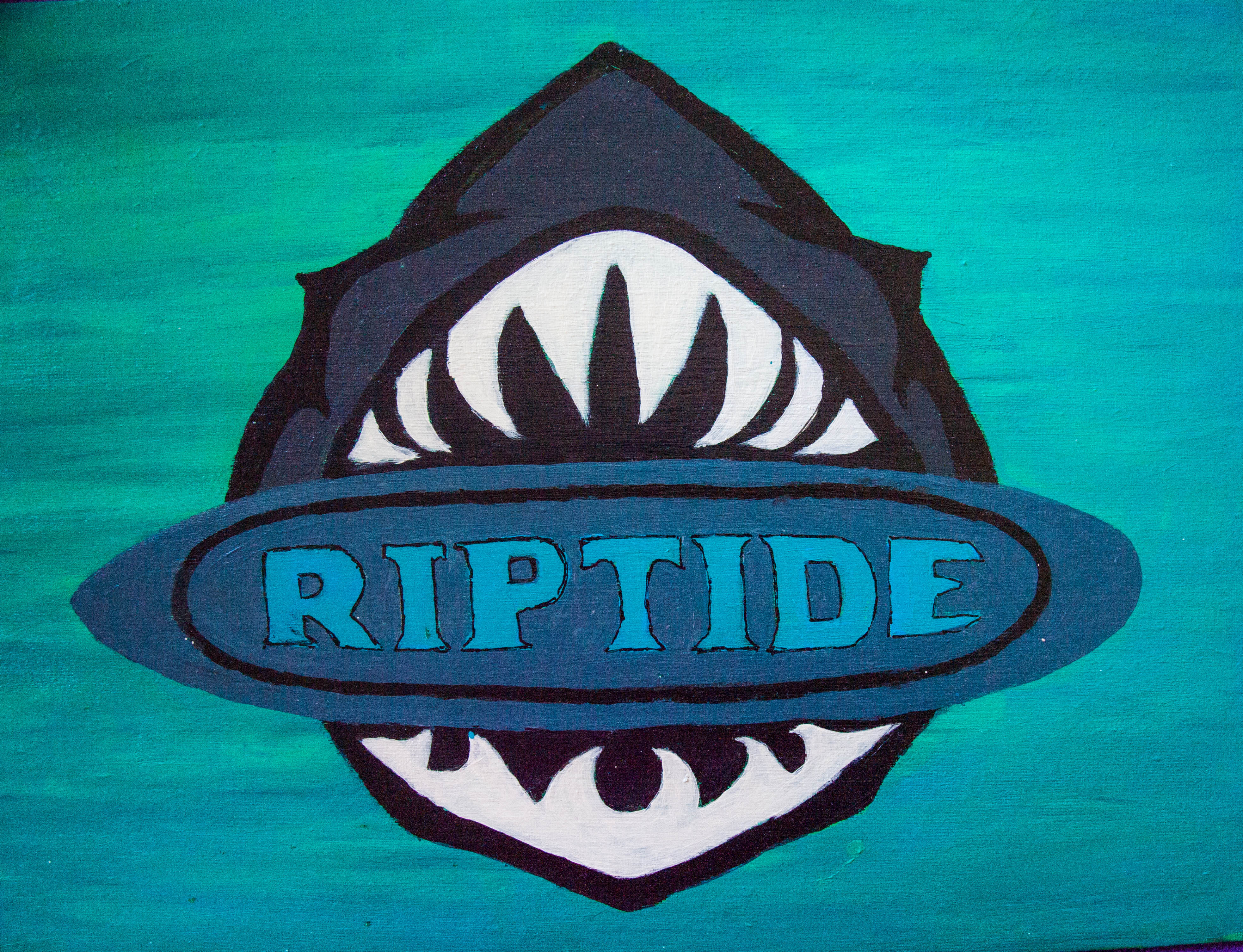
When I think about ocean-inspired art, I’m immediately drawn to the way it captures the vastness and mystery of the sea. It’s more than just paintings or sculptures; it’s a celebration of the ocean’s moods, colors, and rhythms. Have you ever noticed how certain artworks make you feel like you’re standing on the shore, hearing the waves crash and smelling the salty air? That’s the magic of ocean-inspired art. Today, I want to take you on a journey through the essence of this unique art form, exploring its characteristics, styles, and the emotional connection it fosters.
The Unique Ocean-Inspired Art Characteristics
Ocean-inspired art has a distinct personality that sets it apart from other art genres. What makes it so captivating? For starters, it’s all about movement and fluidity. The ocean is never still, and artists try to capture that dynamic energy through flowing lines and swirling patterns. You’ll often see:
Vibrant blues and greens that mimic the sea’s ever-changing hues.
Textured surfaces that resemble sand, waves, or coral reefs.
Organic shapes inspired by shells, seaweed, and marine life.
These elements come together to create a sensory experience that feels alive. For example, some artists use thick brushstrokes or mixed media to give their work a tactile quality, inviting you to almost feel the ocean breeze or the roughness of driftwood.
Another key characteristic is the emotional depth. Ocean art often evokes feelings of calm, freedom, or even awe. It’s no wonder that many collectors are drawn to pieces that remind them of peaceful beach days or thrilling surf adventures. The art becomes a personal connection to the sea, a way to carry a piece of that world into everyday life.

How Ocean-Inspired Art Reflects Coastal Life
One of the most fascinating aspects of ocean-inspired art is how it reflects the lifestyle and culture of coastal communities. Whether it’s a surfer’s silhouette against a sunset or a detailed depiction of marine creatures, these artworks tell stories of life by the water.
Take, for example, the way artists portray surf culture. The surfboard, the crashing waves, and the endless horizon symbolize freedom and adventure. This imagery resonates deeply with those who live for the thrill of riding waves or simply soaking in the beach vibe. It’s not just about aesthetics; it’s about capturing a way of life.
Similarly, coastal life is often represented through natural elements like driftwood, shells, and sea glass. Many artists incorporate these materials directly into their work, blending art with nature. This approach creates a tangible link to the ocean, making each piece feel authentic and grounded.
If you’re curious about discovering more about this style, I recommend checking out riptideart, where you can find stunning examples that truly embody the spirit of the coast.
The Role of Color and Light in Ocean Art
Color and light play starring roles in ocean-inspired art. The sea is a master of color shifts - from the deep navy of the open ocean to the sparkling turquoise of shallow reefs. Artists use this palette to evoke different moods and times of day.
For instance, soft pastels might be used to depict a serene dawn, while bold, saturated blues capture the intensity of midday waves. The interplay of light on water is another favorite subject. Reflections, glimmers, and shadows add depth and realism, making the artwork almost breathe.
Have you ever noticed how some paintings seem to glow? That’s often the result of clever use of light and contrast. Artists might use metallic paints or gloss finishes to mimic the shimmer of sunlight on water. This technique draws the viewer in, creating a sense of immersion.

Techniques and Mediums That Bring the Ocean to Life
What techniques do artists use to capture the ocean’s essence? The answer is as varied as the sea itself. Some prefer traditional oil or acrylic paints, while others experiment with mixed media, sculpture, or even digital art.
Acrylics are popular for their vibrant colors and quick drying time, perfect for layering waves and textures.
Watercolors offer a softer, more fluid look, ideal for capturing the transparency of water.
Sculpture and assemblage often incorporate natural materials like driftwood, shells, or sea glass, adding a three-dimensional element.
Digital art allows for endless creativity, blending photography and painting to create surreal ocean scenes.
One technique I find particularly fascinating is the use of impasto, where thick layers of paint create a textured surface that mimics the roughness of the sea. This method invites viewers to not only see but almost feel the ocean’s power.
If you’re an artist yourself or just curious, experimenting with these mediums can be a rewarding way to connect with the ocean’s spirit. Start small - maybe a simple watercolor wash or a mixed media collage using found beach objects.
Why Ocean-Inspired Art Resonates Deeply
Why does ocean-inspired art speak to so many of us? I believe it’s because the ocean is a universal symbol of life, mystery, and renewal. It reminds us of our connection to nature and the vastness beyond our daily lives.
This art form also offers a sense of escape and tranquility. In a busy world, a painting of a calm beach or a crashing wave can transport us to a place of peace. It’s no surprise that many people choose ocean art for their homes or offices to create a soothing atmosphere.
Moreover, ocean-inspired art often carries a message of environmental awareness. Many artists use their work to highlight the beauty of marine ecosystems and the urgent need to protect them. This adds a layer of meaning that goes beyond aesthetics, inspiring viewers to care for the ocean.
If you’re looking to bring this calming and inspiring energy into your space, consider selecting pieces that resonate with your personal experiences or aspirations related to the sea.
Bringing Ocean Art Into Your Life
So, how can you incorporate ocean-inspired art into your own life? Here are some practical tips:
Choose art that speaks to you emotionally - Whether it’s a vibrant wave or a peaceful shoreline, pick pieces that evoke feelings you want to embrace.
Mix mediums and styles - Don’t be afraid to combine paintings, sculptures, and even textiles to create a coastal vibe.
Use natural materials - Incorporate driftwood frames, seashell accents, or sea glass decorations to complement your artwork.
Create a dedicated space - Designate a corner or wall in your home where ocean art can shine and remind you of the sea’s beauty.
Support local artists - Many coastal communities have talented creators who capture the essence of the ocean in unique ways.
By thoughtfully integrating ocean-inspired art, you can create a personal sanctuary that reflects your love for the coast and its endless inspiration.
Exploring ocean-inspired art is like diving into a world of color, texture, and emotion. It’s a celebration of the sea’s beauty and power, captured through the eyes and hands of passionate artists. Whether you’re drawn to the vibrant blues, the tactile surfaces, or the stories behind each piece, ocean art offers a unique way to connect with the natural world. So next time you see a wave crashing on canvas or a sculpture made from driftwood, take a moment to appreciate the essence of the ocean brought to life. It’s a reminder that the sea’s magic is always within reach.


Comments