


Unveiling the Riptide Art Essence
- Riptide
- Jan 12
- 4 min read
Art has always been a powerful medium to express emotions, culture, and ideas. Among the many styles and movements, Riptide Art stands out for its unique blend of fluidity and intensity. This form of art captures the dynamic energy of natural forces, especially the ocean's riptides, and translates them into visual masterpieces. In this post, we will explore the essence of Riptide Art, its origins, techniques, and why it resonates so deeply with art enthusiasts around the world.
Understanding the Riptide Art Essence
Riptide Art is inspired by the natural phenomenon of riptides - strong currents that pull water swiftly away from the shore. Artists who embrace this style aim to depict the movement, power, and unpredictability of these currents through their work. The essence lies in capturing motion and emotion simultaneously, creating pieces that feel alive and immersive.
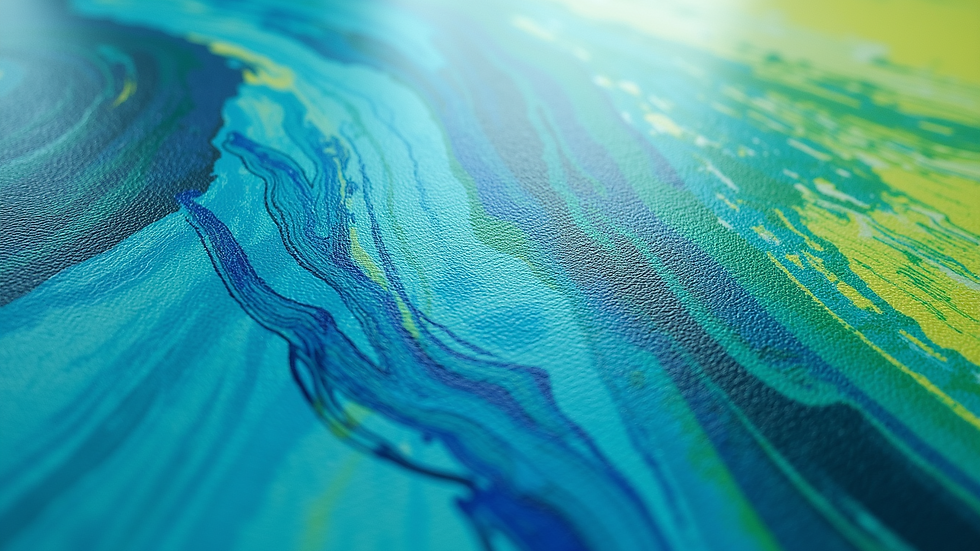
This art form often uses swirling patterns, contrasting colors, and layered textures to mimic the ocean’s turbulence. The visual effect is both mesmerizing and thought-provoking, inviting viewers to reflect on nature’s force and their own inner currents.
Key Characteristics of Riptide Art
Dynamic Movement: The artwork conveys a sense of flow and energy.
Vivid Colors: Blues, greens, and whites dominate, reflecting the sea.
Textural Depth: Layers and brush strokes add complexity.
Emotional Impact: The art evokes feelings of awe, tension, and calm.
The Origins and Evolution of Riptide Art
The roots of Riptide Art can be traced back to coastal communities where the ocean plays a central role in daily life. Early artists sought to represent the sea’s power and mystery, often blending traditional maritime themes with abstract expressionism.
Over time, Riptide Art evolved as artists experimented with new materials and techniques. The movement gained momentum in the late 20th century, with painters and sculptors pushing boundaries to capture the ocean’s raw energy more vividly.
Today, Riptide Art is recognized as a distinct genre that bridges natural inspiration with contemporary artistic innovation. It continues to evolve, influenced by environmental concerns and advances in digital art.
Techniques That Bring Riptide Art to Life
Creating Riptide Art requires a mastery of various artistic techniques that emphasize movement and texture. Here are some common methods used by artists:
Layering Paint: Applying multiple layers of paint to build depth and simulate water currents.
Fluid Acrylic Pouring: Using liquid acrylics to create organic, flowing patterns.
Palette Knife Work: Adding texture and sharp contrasts with a palette knife.
Mixed Media: Incorporating sand, resin, or other materials to enhance tactile quality.
Digital Manipulation: Using software to design or enhance riptide-inspired visuals.
Artists often combine these techniques to achieve a balance between chaos and control, mirroring the unpredictable yet rhythmic nature of riptides.
Practical Tips for Aspiring Riptide Artists
Start with a limited color palette focused on ocean hues.
Experiment with different tools to create texture.
Study real riptides or videos to understand movement.
Use layering to add complexity and depth.
Don’t be afraid to embrace imperfections; they add authenticity.

Why Riptide Art Resonates with Viewers
The appeal of Riptide Art goes beyond its aesthetic beauty. It taps into universal themes of nature’s power, change, and resilience. Viewers often find themselves drawn to the energy and emotion conveyed through the swirling forms and vibrant colors.
This art form also offers a meditative experience. The fluid patterns can evoke a sense of calm or introspection, much like watching the ocean itself. For many, Riptide Art serves as a reminder of the delicate balance between chaos and harmony in life.
Moreover, the environmental undertones present in many pieces raise awareness about ocean conservation and the impact of human activity on marine ecosystems. This adds a layer of meaning that resonates deeply in today’s world.
Exploring Riptide Art in the Digital Age
With the rise of digital platforms, Riptide Art has found new avenues for expression and appreciation. Digital artists use software to simulate the fluid dynamics of riptides, creating interactive and animated pieces that bring the art to life in unprecedented ways.
Online galleries and social media have also expanded the reach of Riptide Art, connecting artists and audiences globally. Platforms like riptideart showcase a diverse range of works, from traditional paintings to digital installations.
For collectors and enthusiasts, this digital presence offers easy access to purchase or commission unique pieces. It also fosters a community where ideas and techniques are shared, pushing the boundaries of what Riptide Art can be.
Embracing the Riptide Art Essence in Your Space
Incorporating Riptide Art into your living or working environment can transform the atmosphere. The dynamic visuals and ocean-inspired colors bring energy and tranquility simultaneously.
Here are some actionable recommendations for displaying Riptide Art:
Choose a focal wall to hang a large, vibrant piece.
Use complementary decor in blues, greens, and neutrals.
Consider lighting that enhances texture and color depth.
Mix Riptide Art with natural elements like driftwood or shells.
Rotate artworks seasonally to keep the space fresh and inspiring.
Whether you prefer bold statement pieces or subtle accents, Riptide Art can elevate your space with its unique blend of movement and emotion.
Riptide Art captures the essence of nature’s most powerful currents and transforms them into captivating visual stories. Its blend of dynamic movement, vivid colors, and emotional depth makes it a compelling choice for artists and art lovers alike. By understanding its origins, techniques, and impact, you can appreciate the profound beauty and meaning behind each piece. Whether through traditional media or digital innovation, the spirit of Riptide Art continues to inspire and connect us to the ever-changing rhythms of the natural world.


Comments