


Discover the Meaning of Riptide Art: Unveiling Its Essence and Impact
- Riptide
- Feb 16
- 4 min read
Art has always been a powerful medium to express emotions, tell stories, and connect people across cultures. Among the many contemporary art movements, Riptide Art stands out for its unique blend of fluidity, energy, and emotional depth. This blog post will take you on a journey to discover the meaning of riptide art, its origins, techniques, and why it resonates with so many art enthusiasts today.
Understanding the Meaning of Riptide Art
Riptide art is inspired by the natural phenomenon of riptides - strong, narrow currents that flow swiftly away from the shore. Much like these currents, riptide art captures movement, tension, and the dynamic forces of nature. The meaning of riptide art lies in its ability to evoke feelings of both chaos and calm, reflecting the unpredictable yet mesmerizing power of water.
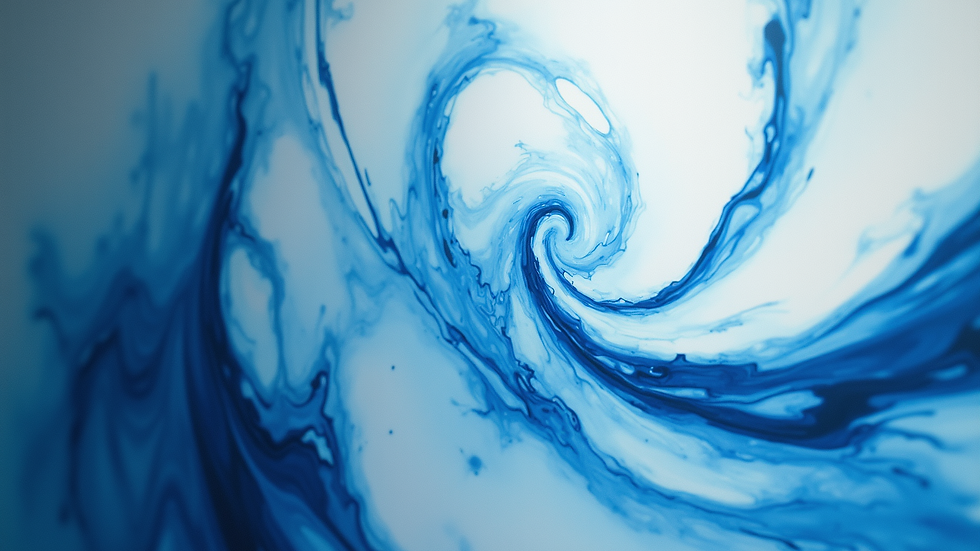
Artists who create riptide art often use flowing lines, swirling patterns, and contrasting colors to mimic the motion of water currents. This style invites viewers to immerse themselves in the artwork, experiencing the push and pull of emotions that the riptide symbolizes.
Key Characteristics of Riptide Art
Fluidity and Movement: The artwork often appears to be in motion, with shapes and colors blending seamlessly.
Emotional Depth: It conveys complex feelings such as struggle, resilience, and transformation.
Nature-Inspired: Water, waves, and currents are central themes.
Abstract Elements: While some pieces are representational, many lean towards abstraction to emphasize energy over form.
The Origins and Evolution of Riptide Art
The roots of riptide art can be traced back to the fascination with natural elements in art history. Water has always been a symbol of life, change, and mystery. However, riptide art as a distinct style emerged in the early 21st century, influenced by both traditional painting techniques and digital art innovations.
Artists began experimenting with new materials and tools to replicate the unpredictable nature of riptides. This included using acrylic pouring, resin art, and digital animation to create immersive experiences. Over time, riptide art has evolved to include mixed media installations and interactive exhibits, broadening its appeal and impact.
Influential Artists and Movements
Contemporary Fluid Artists: Those who specialize in fluid acrylics and resin techniques.
Abstract Expressionists: Their focus on emotion and movement laid the groundwork.
Digital Artists: Using technology to simulate water dynamics and enhance visual effects.
Techniques and Materials Used in Riptide Art
Creating riptide art requires a mastery of techniques that emphasize flow and unpredictability. Here are some common methods and materials used by artists:
Acrylic Pouring
A popular technique where acrylic paint is mixed with pouring mediums and poured onto a canvas. The paint flows and blends naturally, creating organic patterns that resemble water currents.
Resin Art
Resin is used to create glossy, transparent layers that mimic the reflective surface of water. Artists can embed pigments and other materials within resin to add depth and texture.
Digital Manipulation
Some artists use software to simulate the movement of water, creating digital riptide art that can be animated or printed on various surfaces.
Practical Tips for Aspiring Artists
Use high-quality pouring mediums to control paint flow.
Experiment with color combinations that evoke water, such as blues, greens, and whites.
Incorporate metallic or iridescent pigments to add shimmer.
Practice layering techniques to build depth and complexity.

How Riptide Art Connects with Viewers Emotionally
One of the most compelling aspects of riptide art is its emotional resonance. The unpredictable movement and blending of colors can evoke a wide range of feelings, from tranquility to tension. This emotional connection is what makes riptide art so impactful.
Why People Are Drawn to Riptide Art
Relatability: The ebb and flow of life’s challenges are mirrored in the art’s movement.
Meditative Quality: Watching the fluid patterns can be calming and therapeutic.
Symbolism: Water as a metaphor for change, resilience, and renewal speaks to universal human experiences.
Incorporating Riptide Art in Your Space
Use riptide art pieces to create a focal point in living rooms or offices.
Choose artworks with cool tones to promote relaxation.
Combine with natural elements like plants and wood for a harmonious environment.
Exploring Riptide Art in the Digital Age
The digital revolution has expanded the possibilities for riptide art. Artists now blend traditional techniques with digital tools to create immersive and interactive experiences. Virtual galleries and augmented reality apps allow audiences to engage with riptide art in new ways.
The Future of Riptide Art
Interactive Installations: Viewers can influence the flow and colors through movement sensors.
NFTs and Digital Collectibles: Riptide art is gaining traction in the digital art market.
Collaborations: Artists are partnering with scientists and technologists to explore water dynamics in art.
For those interested in exploring more about this captivating art form, visiting platforms like riptideart offers a wealth of resources and galleries showcasing the latest works.
Embracing the Spirit of Riptide Art in Everyday Life
Riptide art is more than just a visual style - it’s a celebration of nature’s power and the human spirit’s resilience. Whether you are an artist, collector, or simply an admirer, embracing the essence of riptide art can inspire creativity and mindfulness.
Practical Ways to Engage with Riptide Art
Create your own art: Start with simple acrylic pouring kits.
Attend exhibitions: Experience the scale and texture in person.
Use art as inspiration: Let the themes of flow and change guide your personal growth.
By understanding the meaning of riptide art and its dynamic qualities, you can appreciate its beauty and significance on a deeper level.
Discovering the essence of riptide art opens a window into the powerful interplay between nature and creativity. Its fluid forms and emotional depth invite us to reflect on our own journeys, making it a truly transformative art experience.


Comments